lifestyle
Grand Rapids Transforms Into Global Creative Hub With Riverfront Development
While global headlines focus on shifting international tides, Grand Rapids draws residents and visitors alike to a thriving local scene that blends artistic legacy with riverfront development.
How we reported this
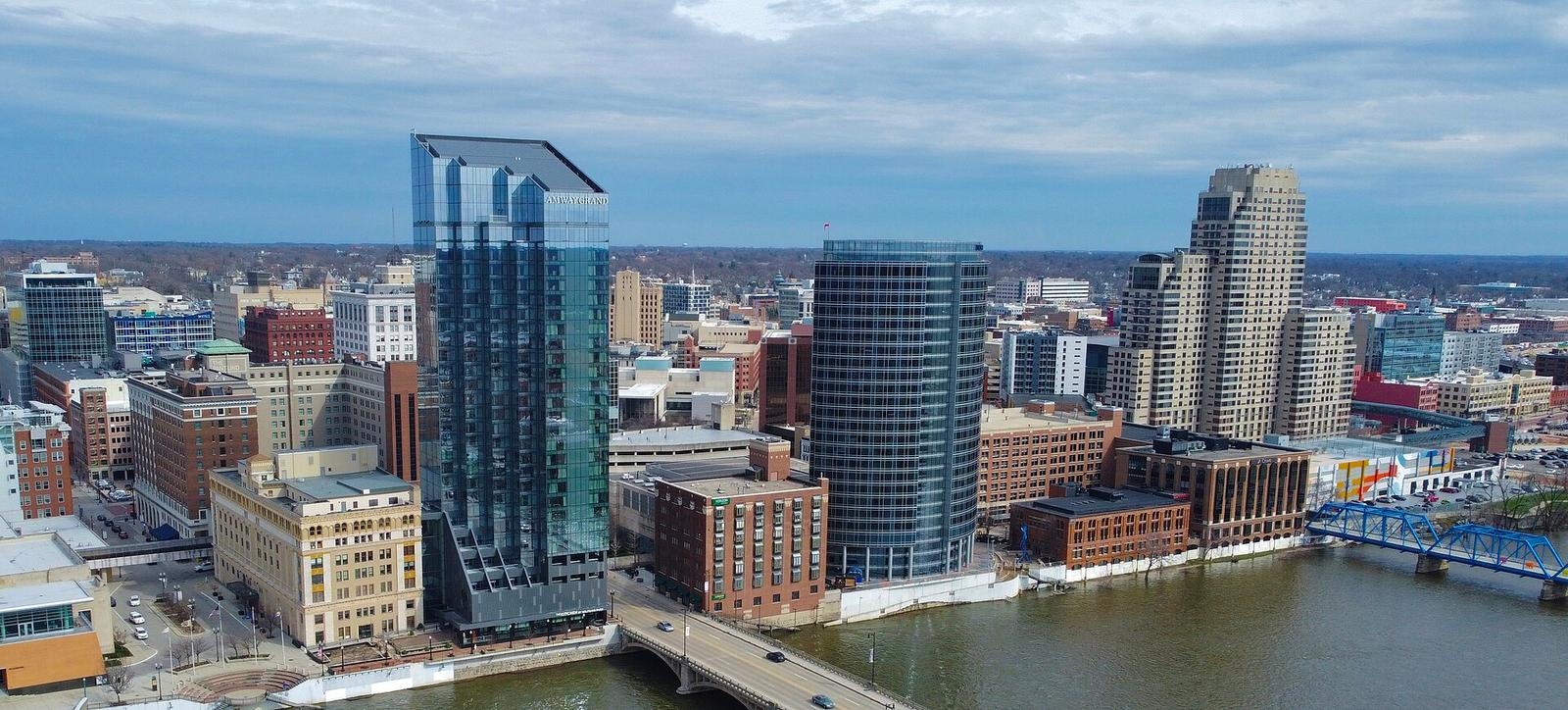
Grand Rapids steps into this weekend with a robust lineup of events that highlight the city's distinct position as a cultural nexus in the Midwest. While international attention remains fixated on political transitions in Tehran and the fallout of recent infrastructure crises elsewhere, the local rhythm here centers on the convergence of public art, design, and a revitalized urban core.
What sets Grand Rapids apart from other global cities is the deliberate integration of high-concept art into the everyday pedestrian experience. Unlike metropolitan centers where public art is often cordoned off within museums or wealthy enclaves, the city leverages the Grand River as a central artery for public engagement. This approach to urban planning creates a democratic access point for residents to interact with large-scale works, a tradition that anchors the city’s identity against more industrial or strictly commercial rivals.
The Intersection of Art and Urban Life
This weekend, visitors can observe this philosophy in action through the curated installations surrounding the Grand Rapids Art Museum and the outdoor exhibition spaces near the Gerald R. Ford Presidential Museum. These venues are not merely passive exhibition halls; they serve as communal living rooms for the city. By prioritizing walkable access between the Monroe Center and the riverfront, Grand Rapids maintains a human scale that is frequently lost in rapidly expanding international megacities.
The city's commitment to this creative identity is bolstered by data regarding urban tourism and visitor engagement. According to figures provided by Experience Grand Rapids, the downtown area consistently benefits from a high concentration of hospitality events throughout the summer months. Furthermore, the Grand Rapids Downtown Market continues to function as a focal point for the regional food economy, offering a variety of locally sourced goods that reflect the agricultural diversity of Western Michigan.
For those looking to experience the city this weekend, the practical advice remains consistent: prioritize transit through the central business district on foot or via the DASH shuttle system. The concentration of amenities-ranging from the independent galleries along Division Avenue to the diverse culinary offerings in the Heartside neighborhood-allows for a full weekend of exploration without the reliance on private vehicle transport that characterizes many other American metropolitan areas. As the summer season peaks, the accessibility of these public spaces remains the city’s most significant competitive advantage on the world stage.